Ardi · Ardipithecus ramidus
ARA-VP-6/500 is a partial female skeleton and one of the most complete early human skeletons ever found. She could walk upright on the ground, while her grasping big toe let her climb through trees.
Gallery III
Individual women known from their bones, teeth and genomes, from 4.4 million to 40,000 years ago. Where a woman’s sex or age is debated, we say so.
ARA-VP-6/500 is a partial female skeleton and one of the most complete early human skeletons ever found. She could walk upright on the ground, while her grasping big toe let her climb through trees.
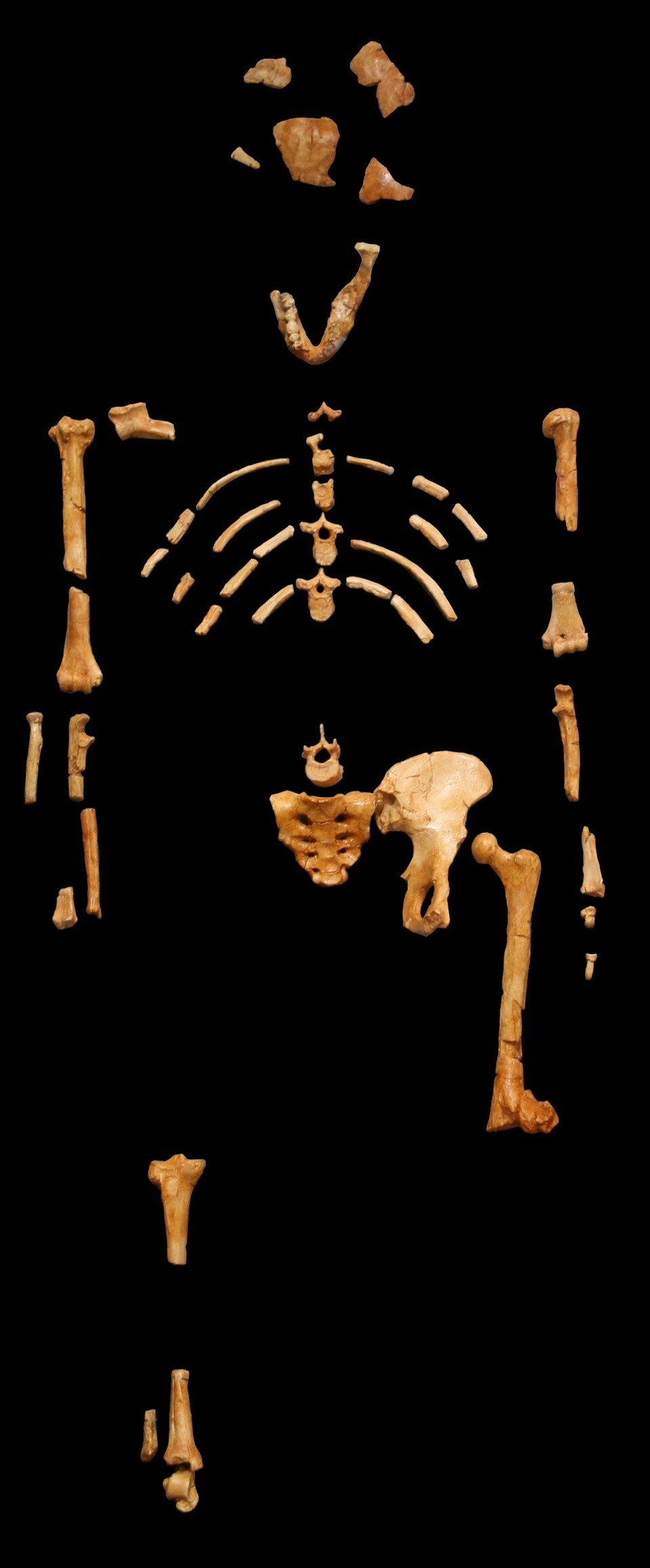
Found in 1974. Lucy is among the most famous early human relatives because of her age and relative completeness. Her short, broad pelvis and angled thigh bones show she walked upright, while long arms and curved toes suggest she also climbed. Her Ethiopian name, Dinknesh, means “you are marvelous” in Amharic.
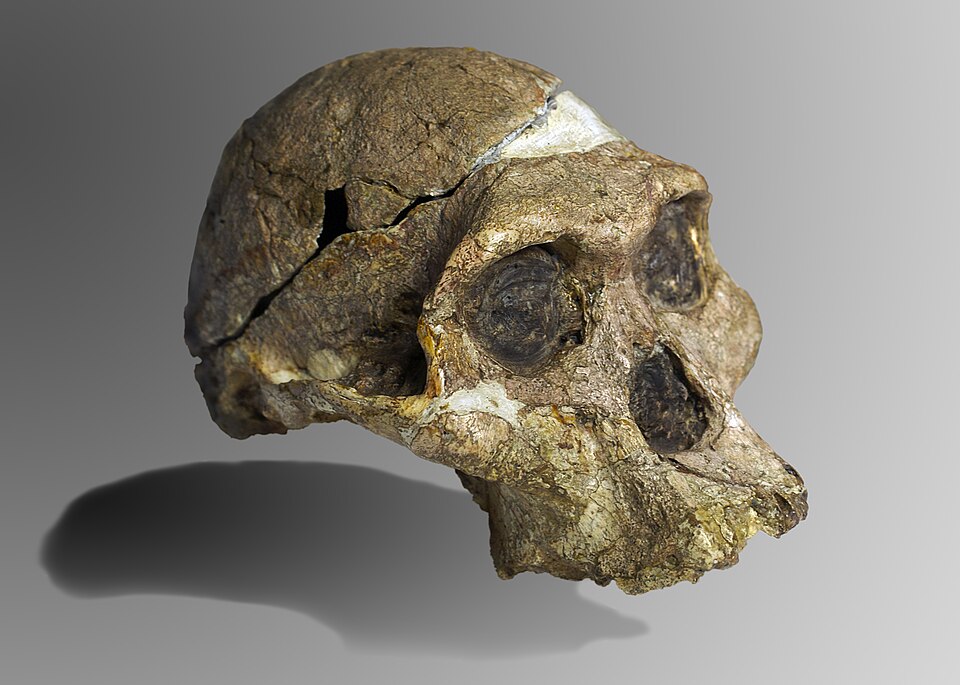
The most complete A. africanus skull, from the Cradle of Humankind. Cosmogenic dating puts her deposit at about 3.4–3.7 million years old, but other methods give about 2–2.6 million years.
She has traditionally been identified as an adult female. Some researchers argue from her canine sockets that Sts 5 was a small male.
A small-brained relative of ours whose remains lay deep inside the Rising Star Cave system.
No male markers found; likely all female. A 2026 study analysed enamel proteins from 23 teeth belonging to at least 20 individuals. None showed the male-specific protein amelogenin-Y. Nineteen were identified as female with over 95% probability, and the twentieth is consistent with female. The authors note one alternative they cannot exclude: H. naledi males may have lacked the gene for that marker.
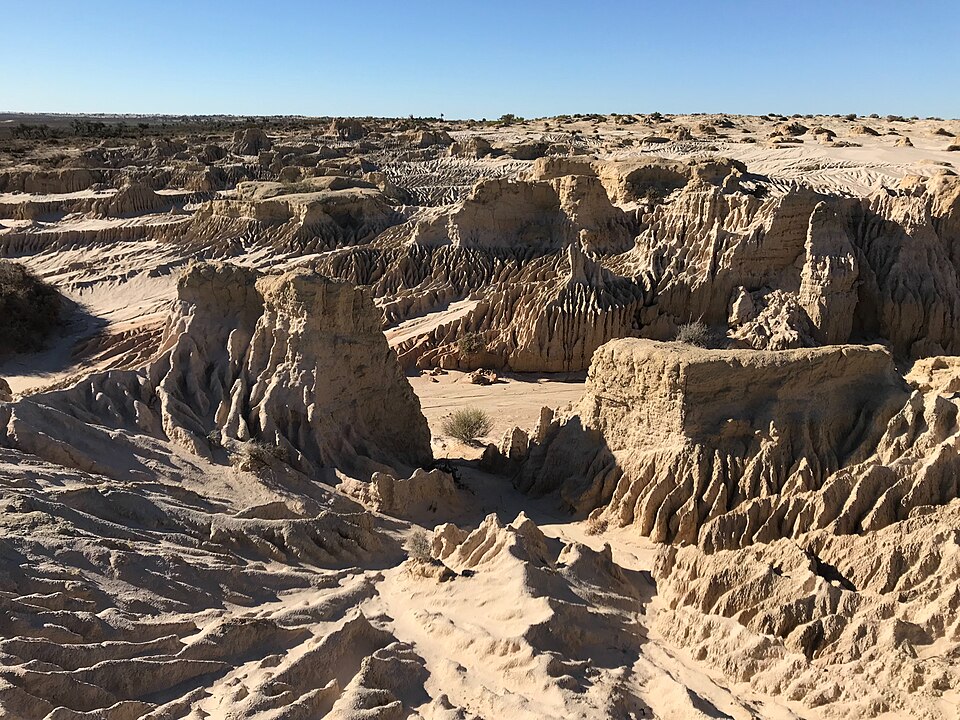
A woman whose remains were found in 1968 at Lake Mungo. She was cremated, her bones crushed, burned again and buried. Her cremation is the first recorded human cremation, dated to 40,000 ± 2,000 years ago.
With Mungo Man, she is among the oldest human remains found anywhere in Australia. In 1992 she was returned to Lake Mungo, the Country of the Paakantji, Mutthi Mutthi and Ngyimpaa peoples.
These women are known individually from their genomes or from proteins preserved in their teeth. To learn about their maternal lines, visit Mothers Across Species.
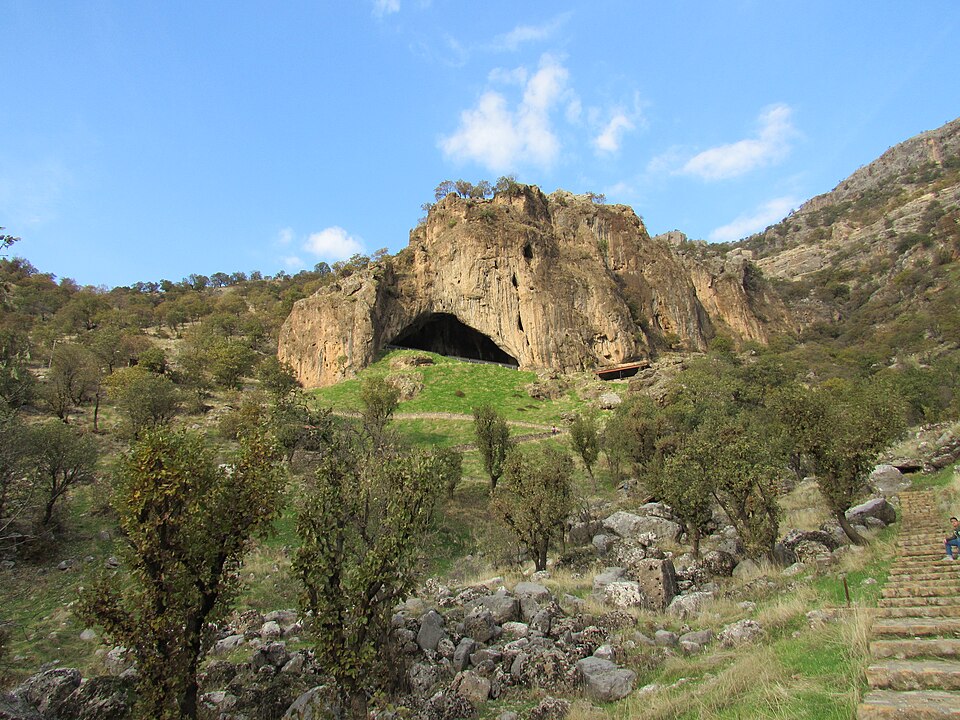
Excavated in 2018 at Shanidar Cave. No pelvic bones survived, so researchers identified her sex by sequencing proteins in her tooth enamel. Her short stature, about five feet, and some of the smallest adult arm bones in the Neanderthal record fit that identification.
She was probably in her mid-forties, with front teeth worn to the root. Her flattened skull has been rebuilt and her face reconstructed.
The second Neanderthal genome sequenced to high quality comes from this woman. She was more closely related than earlier sequenced Neanderthals to those who interbred with modern humans.
A woman whose genome was sequenced to 27-fold coverage. She was more closely related to western Eurasian Neanderthals than to earlier Neanderthals at nearby Denisova Cave. Her genome suggests her ancestors lived in relatively isolated populations of fewer than 60 individuals.
The first high-quality Neanderthal genome came from this woman’s toe bone. Her parents were closely related. Genetic dating places her about 30,000 years before Chagyrskaya 8. All Neanderthal fossils from Denisova Cave date to between 80,000 and 140,000 years ago.
The 2026 Homo naledi result has been worded exactly as its authors and the Max Planck Society describe it: no male markers found; likely all female. That is not proof that every individual in the cave was female.